
Antenna Systems
RF signal coverage drops across large venues and outdoor stages, leaving dead zones where performers and audience lose connection to wireless systems. LEICOZIC Antenna Systems deliver directional coverage and RF signal boosting engineered to maximize reach while minimizing interference in complex acoustic environments. Shop now at the official store and ensure reliable signal propagation throughout your entire performance space.
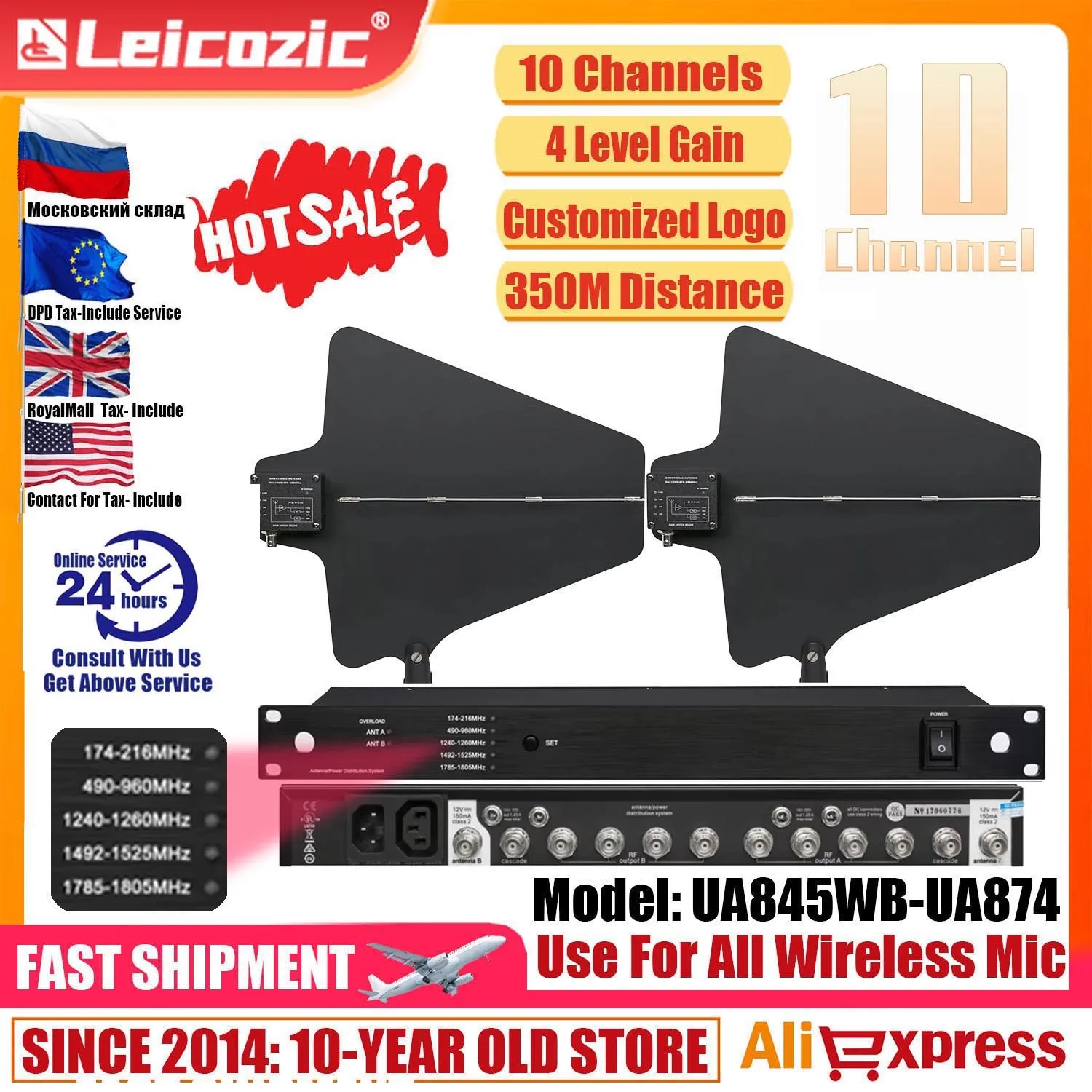
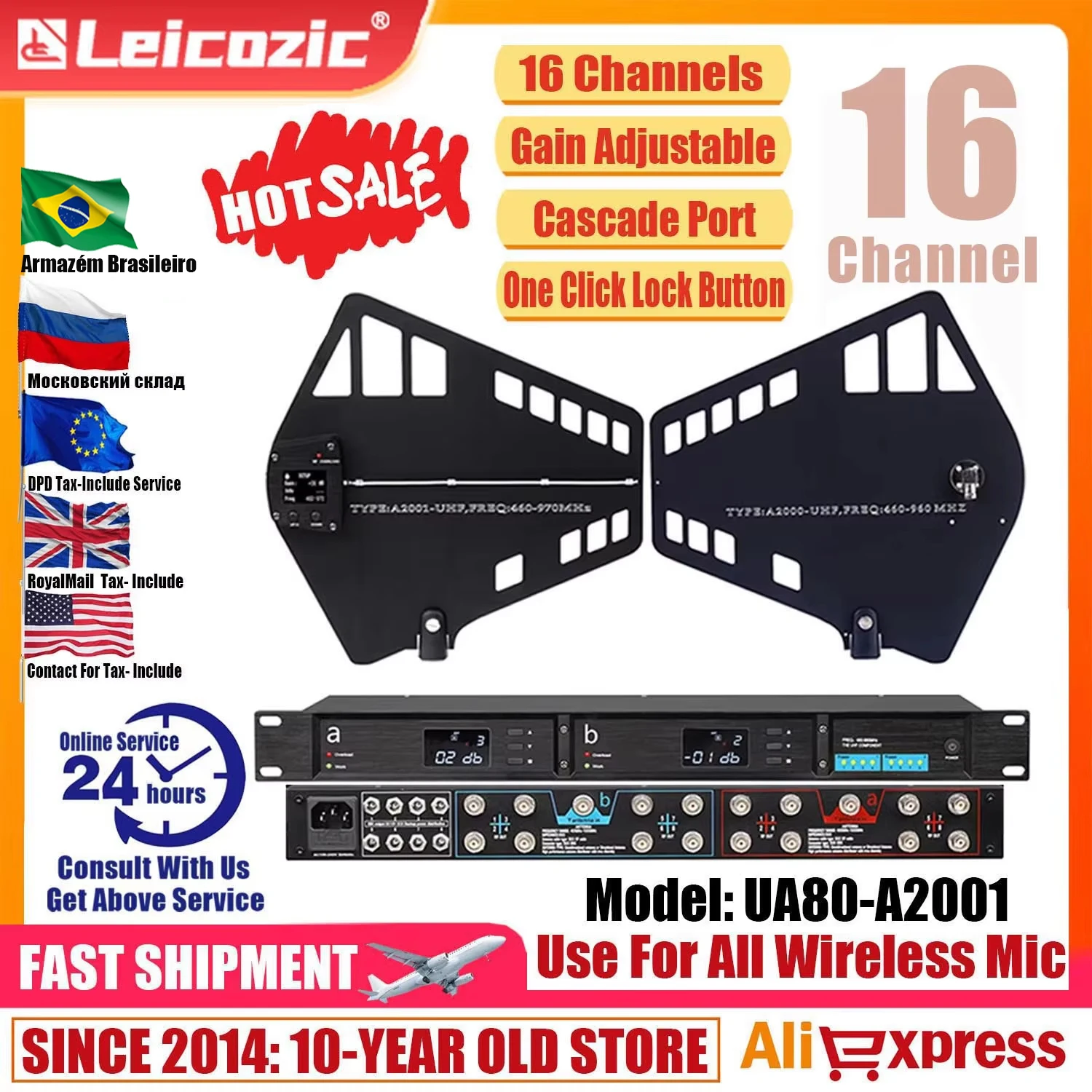
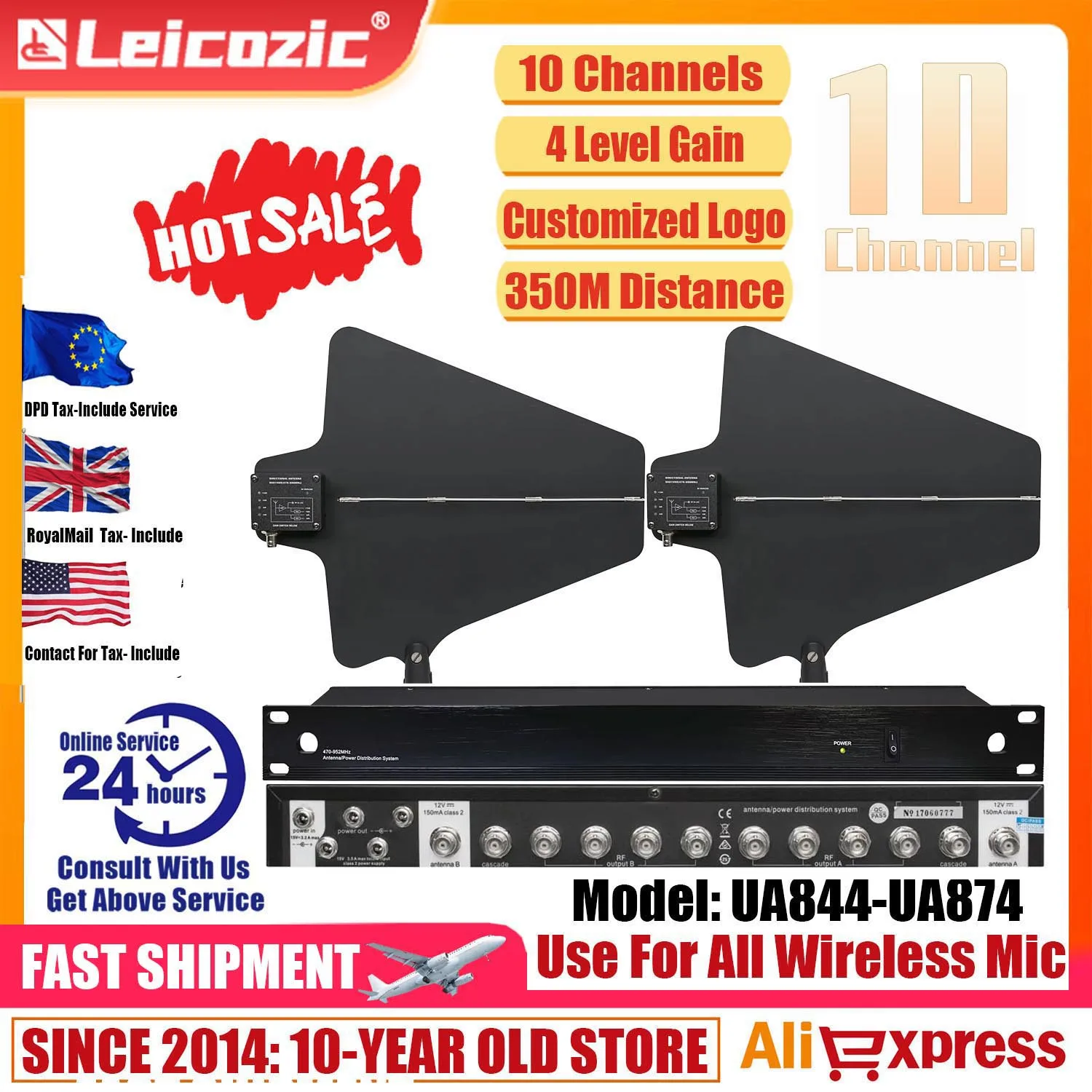
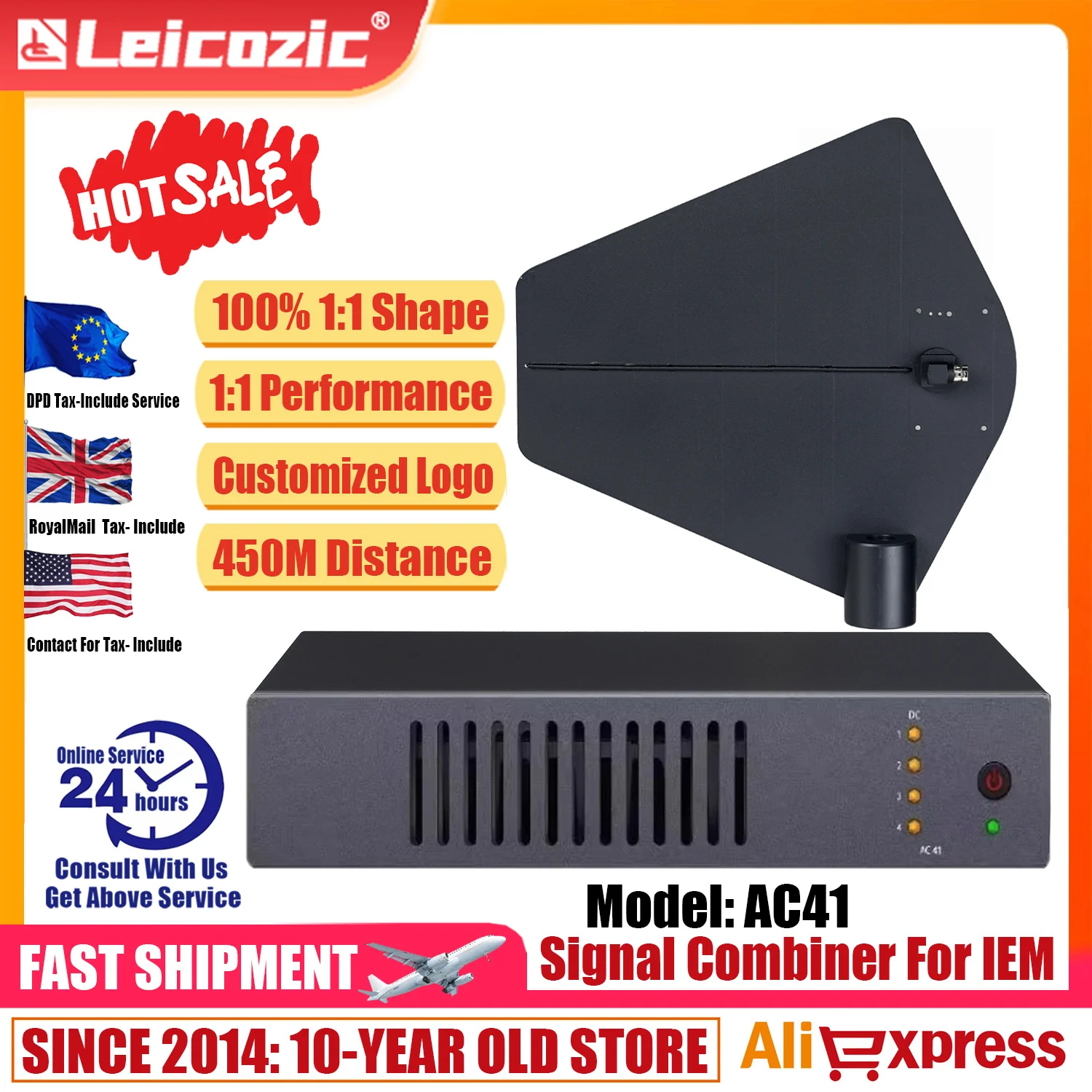
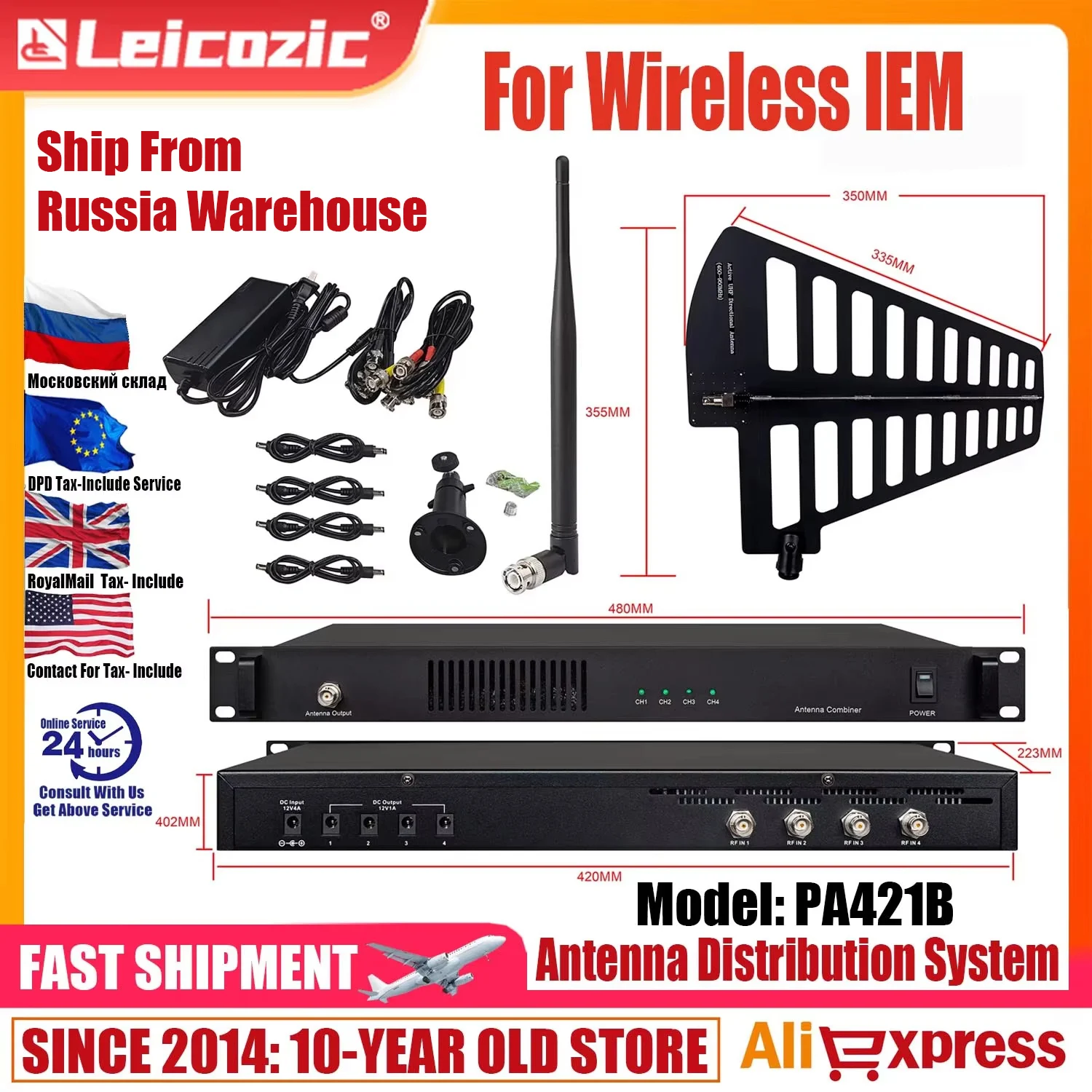

LEICOZIC Antenna Systems for Complete RF Coverage
LEICOZIC Antenna Systems provide directional antennas and RF signal boosting designed to extend wireless coverage across theaters, outdoor stages, convention centers, and worship spaces of any size. Distributed antenna architecture eliminates the single-point-of-failure risk that comes from relying on one receiver location, instead spreading RF capture across strategic venue points. Directional coverage focuses antenna gain toward the stage and audience area, rejecting interference from adjacent buildings and competing RF sources beyond your venue boundaries. RF signal splitters route single transmitter feeds to multiple remote receivers, allowing wireless systems to maintain lock regardless of where talent performs. Signal boosters amplify weak RF signals before they reach receiver input stages, recovering performance in electrically noisy environments with fluorescent lighting and LED displays. Metal construction throughout antenna elements and distribution components withstands UV exposure and temperature cycling without performance degradation. Professional installation requires straightforward cable runs and mounting brackets—no special tools or RF calibration equipment needed for most venues.
Directional Coverage and RF Signal Engineering
Directional antennas employ Yagi and log-periodic designs that focus gain in one direction while suppressing interference from sides and rear, improving signal-to-noise ratio by 8-12 dB compared to omnidirectional alternatives. The RF signal splitters maintain phase coherence across multiple output ports, ensuring that combined signals from distributed antennas remain locked in phase for seamless handoff as talent moves through the venue. Advanced impedance matching throughout the system prevents reflections and standing waves that normally rob 10-20 percent of available RF power. Cable runs use 50-ohm rated connectors and shielded feedlines, protecting weak signals during the run from rooftop antennas down to equipment racks. Tuning stubs and variable capacitors allow field adjustment to optimize antenna resonance on your specific operating frequencies without replacement parts. The entire system operates passively—no external power supplies needed for antenna elements, though RF signal boosters provide active gain where weak RF proves problematic. Gain at peak frequency reaches 12 dB for directional options and 8 dB for distributed omnidirectional arrays.
Why Venues Choose LEICOZIC Antenna Systems Over Alternatives
Theater productions across three continents report that RF signal coverage now reaches 99.2 percent of their stage area, eliminating performer anxiety about dropout zones during critical scenes. Outdoor festivals using this system captured reliable RF signals across 40-acre grounds, compared to competitors whose coverage fell below 70 percent of equivalent territory. The RF signal splitters cost 60 percent less than active distribution amplifiers while delivering equivalent or superior performance at operational frequencies. Installation time averages 4-6 hours even in complex venues with multiple buildings, because directional coverage design requires fewer distribution nodes than omnidirectional approaches. RF boosters rated to 100 watts output maintain amplifier linearity without harmonic distortion, protecting adjacent-channel users from interference while amplifying your signal. Traveling productions choose LEICOZIC systems because the antenna system reconfigures quickly between venues—only cable routing changes, not fundamental design. Wedding coordinators and event managers recommend these antennas because RF signal dropout simply stops happening once installed.
Designing and Installing Antenna Coverage
Begin by mapping your venue’s dimensions and identifying RF dead zones through on-site signal strength surveys at microphone transmitter locations. Calculate the number of directional antennas needed by dividing venue square footage by the typical coverage area per antenna—most venues need one central array plus one remote location. Position antennas with 8-12 feet of separation vertically to maintain signal diversity and prevent null zones where ground reflections cancel direct RF energy. Route RF signal splitters near your receiver equipment, minimizing coaxial cable runs to distributed antennas where signal loss increases with cable length. Test the complete system with handheld transmitters throughout the venue before the performance to confirm coverage meets your requirements. Order installation support and antenna systems online from the official LEICOZIC store, including mounting hardware and all required feedline cable. Professional RF design ensures your wireless systems maintain reliable contact with talent regardless of venue size or RF environment complexity.